
In William Shakespeare’s classic play Julius Caesar, the famous expression, “Et tu, Brute?” — meaning “You too, Brutus?” — captured the shock and pain of betrayal. It was the moment Caesar realized that even a trusted ally had joined those working against him.
That same feeling echoes today in the muddy and confusing waters of Nigerian politics, where individuals once admired for courage, integrity, intelligence, and consistency suddenly appear to change positions with the direction of the political wind.
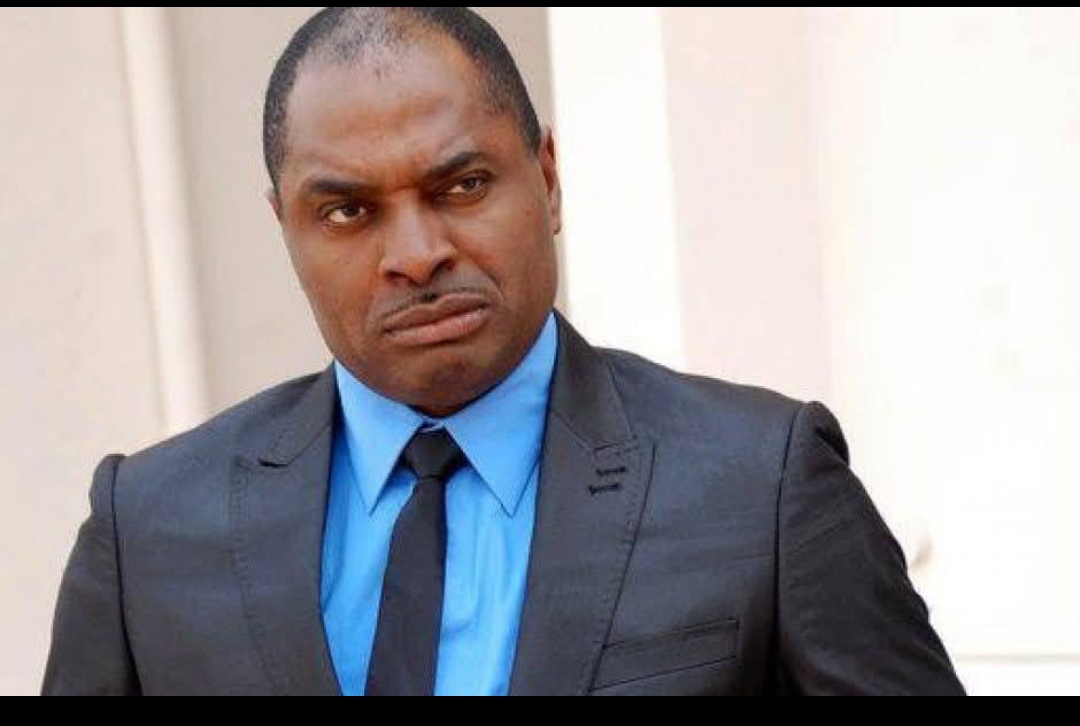
One name currently generating such debate is Kenneth Okonkwo.
Over the years, Kenneth Okonkwo built a reputation as a bold speaker, respected actor, lawyer, and political commentator who appeared principled and fearless. Many Nigerians viewed him as one of the few public figures willing to speak truth to power without compromise.
However, critics now argue that his frequent political realignments have weakened public confidence in his consistency and convictions.
Nigerians still remember:
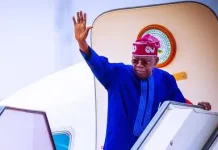
In 2022, he strongly projected Bola Ahmed Tinubu as the best option for Nigeria.
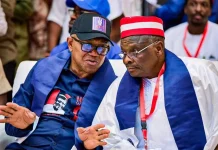
In 2023, he passionately defended Peter Obi as the nation’s hope for rescue and reform.
Today, many observers believe he appears increasingly sympathetic toward Atiku Abubakar.
For millions of Nigerians battling hardship, insecurity, unemployment, and economic uncertainty, such rapid political transitions create the impression that ideology, conviction, and principle are gradually becoming secondary to political convenience and personal interest.
This is why some Nigerians now place him in the same category as controversial political commentators and frequent political converts such as Reno Omokri, Dele Momodu, Daniel Bwala, and Femi Fani-Kayode personalities often criticized for shifting political loyalties depending on prevailing political interests.
But the deeper issue goes beyond Kenneth Okonkwo as an individual.
The real concern is the broader Nigerian political culture where public trust is constantly stretched and repeatedly betrayed. Citizens are becoming exhausted by leaders, influencers, and commentators who speak with absolute certainty today, only to reverse themselves tomorrow without accountability, reflection, or explanation.
The bigger question remains:
Where is our collective sense of fairness, justice, and equity?
Has our dear brother Kenneth forgotten the gentleman’s understanding surrounding power rotation between the North and the South — an arrangement many Nigerians believe is important for national balance, unity, and inclusion?
Where is patriotism? Where is fairness? Where is the commitment to equity and national cohesion?
We must never allow personal benefits, political ambition, or temporary gains to destroy our conscience, weaken our unity, or silence our sense of national responsibility.
Public figures must understand that credibility is built over many years but can be damaged within moments. Nigerians are no longer merely listening to speeches; they are now carefully observing consistency, sacrifice, sincerity, and character.
This should serve as a lesson to young Nigerians:
Do not idolize politicians blindly.
Do not surrender your conscience to political influencers.
Judge leaders by their values, consistency, and long-term integrity.
Understand that political loyalty should never be greater than loyalty to truth, justice, and national interest.
Democracy survives only when citizens think independently and hold everyone accountable — regardless of tribe, religion, political party, or popularity.
As for the social media banter suggesting that Kenneth Okonkwo should “visit YabaLeft with immediate effect,” it reflects the frustration, sarcasm, and disappointment many Nigerians now express toward political inconsistency.
But beyond the jokes and online mockery lies a serious national concern:
Nigeria desperately needs leaders, commentators, and influential voices whose principles remain steady even when political seasons change.
In the end, nations are not destroyed merely by bad leaders, but also by the silence, inconsistency, and compromise of those once trusted to defend truth.
Nigeria will be okay — but only when integrity becomes more valuable than political convenience.