
EXCLUSIVE REPORT BY GOVERNANCE TODAY NIGERIA (GTN)
The Nigerian political atmosphere is gradually moving into another season of intense realignments, underground negotiations, silent betrayals, and strategic coalition-building ahead of the 2027 general elections. What appears ordinary on the surface may, in reality, be part of a much deeper political chess game unfolding quietly within the corridors of power.
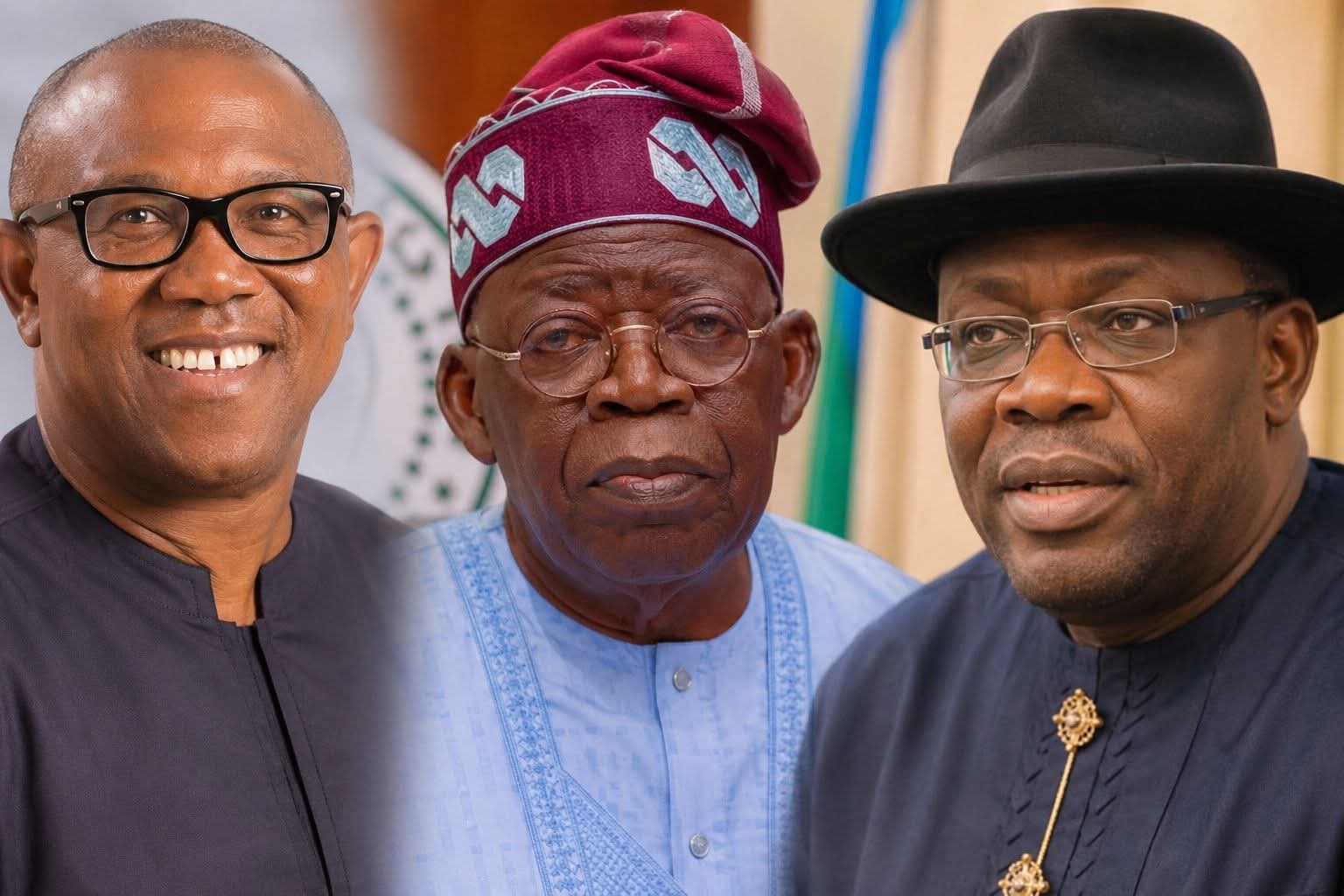
Following the recent closed-door meeting between President Bola Ahmed Tinubu and Senator Seriake Dickson at the Presidential Villa, political observers across the country have begun raising serious concerns over the future of the emerging NDC political structure and the growing influence of opposition figures within Nigeria’s evolving political landscape.
While official details of the meeting remain undisclosed, insiders within Abuja’s political circles believe the engagement may not be entirely disconnected from ongoing strategic efforts to weaken emerging opposition alliances before they become formidable ahead of 2027.
The Rising Fear Within the Establishment
There is increasing concern within sections of the ruling establishment that the NDC may gradually transform into a rallying platform for dissatisfied political blocs, reform-minded elites, disenchanted youths, and citizens seeking an alternative political direction.
At the center of this unfolding political equation stands Senator Seriake Dickson — a politician widely regarded as one of the few remaining influential voices capable of bridging old political structures with emerging opposition movements.
Many analysts believe that any successful attempt to politically neutralize or compromise Dickson could significantly affect the balance of power within the opposition space. The fear among many political watchers is that weakening his independence may ultimately reshape internal calculations regarding future presidential alignments and possible ticket negotiations.
Peter Obi and the Expanding Opposition Momentum
Former Labour Party presidential candidate Peter Obi continues to command unusual grassroots sympathy across many parts of Nigeria, especially among youths, professionals, urban voters, and economically frustrated citizens.
Despite not holding federal power, Obi’s political relevance has remained remarkably resilient. His growing acceptability among ordinary Nigerians has continued to unsettle sections of the traditional political elite who once dismissed his movement as temporary or emotionally driven.
This explains why every political movement involving Tinubu, Dickson, Obi, and other strategic actors is now attracting heightened national attention.
Within many political camps, there is now a growing realization that the 2027 battle may not simply be fought through party structures alone, but through silent elite negotiations, strategic defections, institutional influence, coalition sabotage, and psychological political warfare.
The New Battlefield: Silent Political Warfare
Nigeria’s political wars are no longer fought only at campaign grounds or television debates. The real contest increasingly happens behind closed doors — through pressure tactics, political persuasion, backchannel negotiations, selective alliances, and influence operations within the state apparatus.
Several observers point to the gradual political quietness of Nasir El-Rufai as an example of how powerful political figures can suddenly lose visibility within the national power equation after periods of strong confrontation or strategic disagreement.
Whether by coincidence or calculation, many now interpret such developments as evidence that the political establishment is becoming more aggressive in consolidating control ahead of future electoral battles.
The Danger Ahead for Nigeria’s Democracy
The major danger in this unfolding situation is not merely about party politics; it concerns the health of Nigeria’s democracy itself.
When opposition figures are perceived to be under pressure, politically weakened, selectively isolated, or strategically compromised, public trust in democratic competition may begin to erode. Citizens may start believing that electoral outcomes are increasingly shaped long before voters arrive at polling units.
This perception could deepen political apathy, intensify public frustration, and further widen the trust gap between citizens and the political class.
At the same time, the opposition must also understand that popularity alone is insufficient to confront a deeply entrenched political structure.
Without discipline, strategic coordination, ideological clarity, and strong institutional alliances, even the most energetic political movements can gradually lose momentum.
2027 May Be Nigeria’s Most Complex Political Battle Yet
What Nigerians are witnessing today may only be the early signs of a far bigger political confrontation ahead.
The ruling establishment is clearly aware that economic hardship, insecurity, rising unemployment, and growing public dissatisfaction have created fertile grounds for alternative political movements to gain traction.
On the other hand, opposition forces also understand that defeating an incumbent structure in Nigeria requires far more than social media popularity or public sympathy. It demands organization, elite consensus, financial muscle, regional balancing, strategic patience, and institutional survival.
For now, one thing remains clear:
The struggle for 2027 has already begun — not loudly in public squares, but quietly within the hidden chambers of political power.
And Nigerians are watching.