
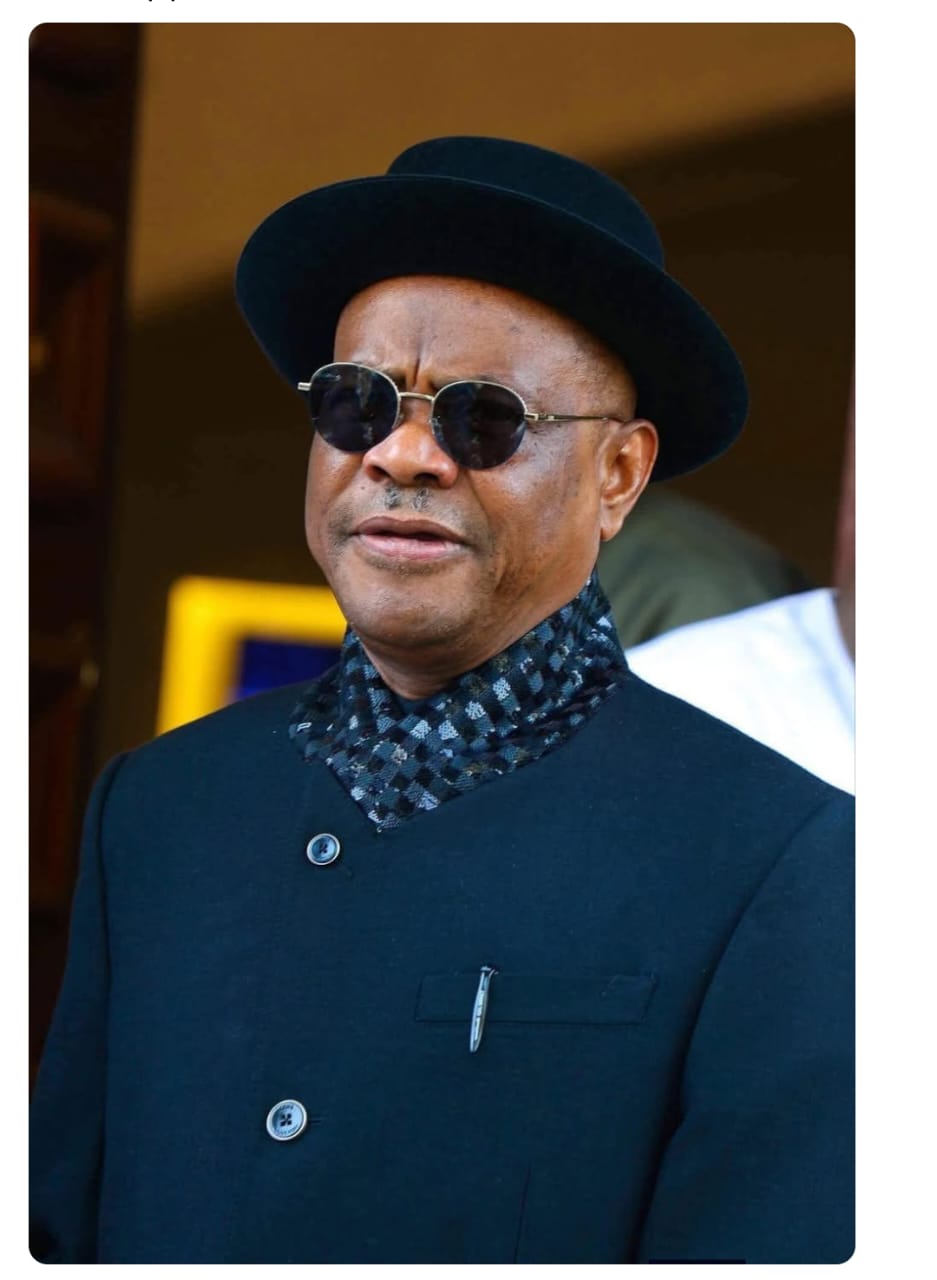
How Nyesom Wike Became Nigeria’s Most Influential Politician Today
In the ever-shifting chessboard of Nigerian politics, influence is not given — it is seized, defended, and expanded. Few modern politicians embody that reality more than Nyesom Wike.
From his days as Chairman of Obio-Akpor Local Government to serving as Governor of Rivers State (2015–2023) and now Minister of the Federal Capital Territory (FCT), Wike has carved a reputation as a power broker, political tactician, and a man unafraid of confrontation.
But how did he become arguably Nigeria’s most influential politician today?
- The Making of a Political Enforcer
Wike’s rise was not accidental. Trained as a lawyer, he understands both legal frameworks and the raw mechanics of power. His early political grooming under former Rivers Governor Rotimi Amaechi exposed him to high-level political structuring — even though that alliance later turned into rivalry.
He learned early that in Nigerian politics:
Loyalty is currency.
Structure is survival.
Boldness is advantage.
Unlike politicians who seek universal approval, Wike chose to be strategically feared and respected.
- How He Reclaimed Rivers State Political Structure
After leaving office in 2023, many expected his grip on Rivers politics to weaken. Instead, he reinforced it.
Through loyal political foot soldiers across local governments, state assembly blocs, and party executives, Wike ensured that the Rivers political architecture remained aligned to him.
Even amid internal tensions within the People’s Democratic Party (PDP), he demonstrated that influence is not about holding office — it is about controlling structure.
Observers note that:
His loyalists retained critical legislative and grassroots positions.
He remained a central figure in Rivers political negotiations.
His political machinery continued to shape state-level decisions.
Reclaiming structure after leaving office is rare in Nigerian politics. Wike achieved it through loyalty enforcement, strategic alliances, and relentless engagement.
- His Visible Role in the FCT Political Landscape
As Minister of the Federal Capital Territory under President Bola Ahmed Tinubu, Wike quickly transitioned from state power broker to federal power actor.
During the recently conducted FCT elections, his presence was unmistakable:
He mobilized support structures across Abuja’s area councils.
He maintained visible inspection tours and project commissioning, reinforcing governance presence.
He projected political authority in the nation’s capital in ways rarely seen from previous FCT administrations.
Beyond administrative duties, his political coordination strengthened the ruling coalition’s positioning in the capital. His involvement signaled that Abuja is not just a bureaucratic center — it is a strategic political fortress.
- Presidential Commendation and Federal Validation
Following the elections and ongoing infrastructural drive in the FCT, President Bola Ahmed Tinubu publicly commended Wike for what he described as “a job well done” in accelerating development and stabilizing political coordination in the capital.
Such praise carries weight.
In Nigeria’s political hierarchy, presidential endorsement does three things:
It legitimizes authority.
It strengthens internal coalition confidence.
It signals trust at the highest level.
For Wike, it reinforced his transformation from opposition governor to indispensable federal ally.
- His Strengths: Guts, Structure, and Deep Pockets
Uncommon Guts
Wike does not whisper when others murmur.
He confronts openly and rarely retreats publicly.
Political Structure Builder
From Rivers to Abuja, he builds networks that outlive offices.
Strategic Financial Muscle
In a political temple that punishes weakness, financial capacity equals negotiation power.
Performance-Driven Governance
His visible infrastructure projects — flyovers, roads, public buildings — strengthened his governance credibility.
- His Weaknesses: Temperament and Polarization
No power figure rises without cracks.
Combative Style
His blunt rhetoric often escalates tensions.
Polarizing Personality
He inspires intense loyalty and equally intense opposition.
Risk-Taking Politics
Bold moves sometimes create unpredictable consequences.
Yet in today’s hard-edged political environment, those traits double as armor.
- The Present Political Temple: No Room for the Timid
Nigeria’s current political climate is unforgiving:
Coalition politics is ruthless.
Economic pressures demand visible performance.
Party alignments shift quickly.
Power blocs are constantly recalibrating.
In such a temple, hesitation is weakness.
Wike thrives because:
He negotiates from strength.
He manufactures relevance.
He keeps pressure constant.
He refuses political invisibility.
- The “Large Heart” and Loyalty Culture
Supporters describe him as generous to allies and protective of loyalists. Many rising political actors trace their growth to his backing.
In Nigerian politics, loyalty is survival.
Wike invests in loyalty — and demands it in return.
Critics call it patronage.
Allies call it leadership.
Conclusion: From Rivers Strongman to National Power Broker
Nyesom Wike represents a new archetype in Nigerian politics:
Not the quiet negotiator.
Not the cautious reformer.
But the enforcer-strategist.
He reclaimed Rivers’ structure.
He stamped authority in the FCT.
He earned presidential commendation.
He maintains cross-party leverage.
His strengths — boldness, structure control, financial capacity, decisiveness — have elevated him.
His weaknesses — confrontation, polarization, aggression — have defined him.
In a political era that does not tolerate the weak or timid, Wike has positioned himself where few stand:
At the center of power conversations.
Whether admired or criticized, one truth remains —
Nyesom Wike is not merely participating in Nigeria’s political game.
He is shaping its tempo.