
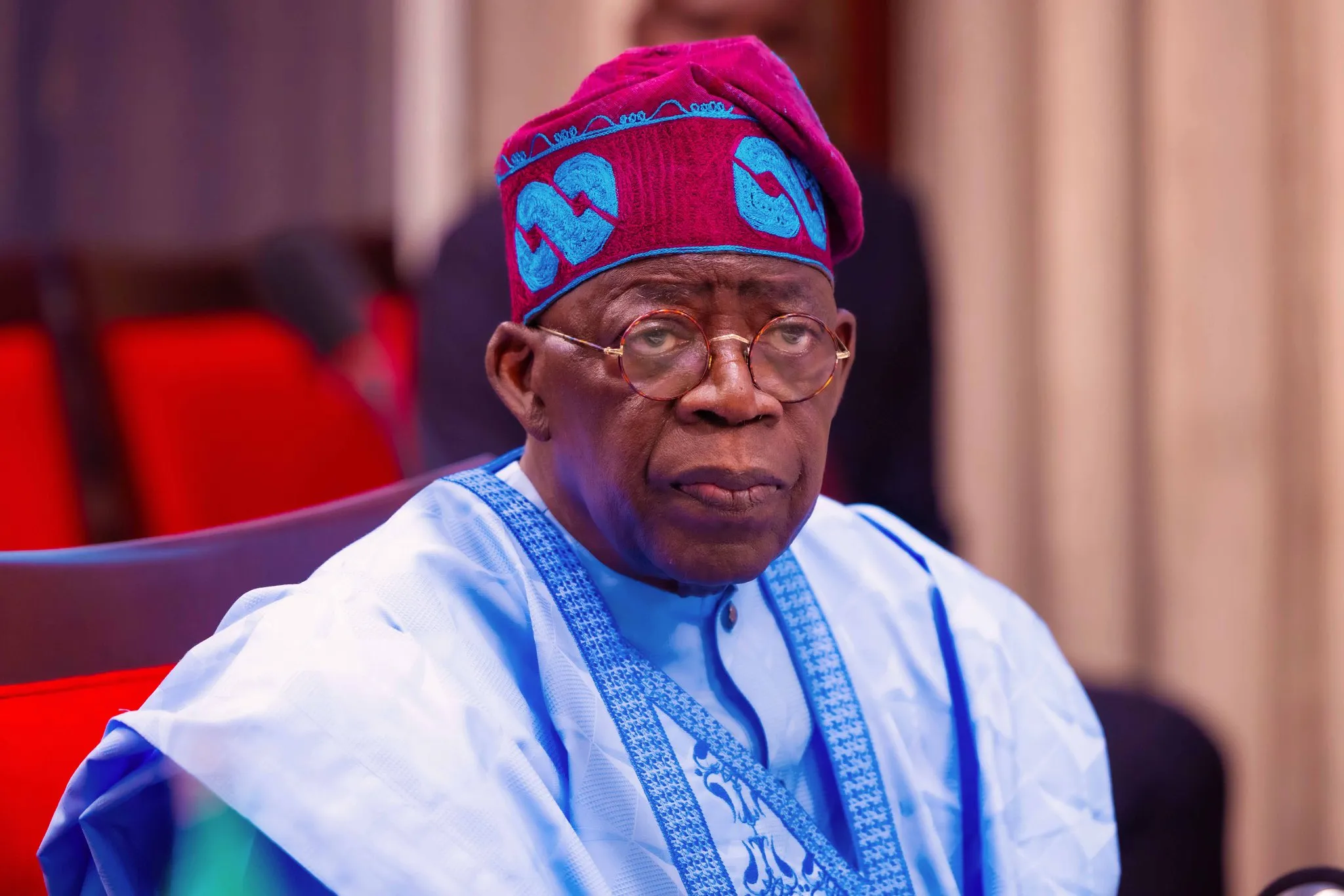
Tinubu’s Reforms: Bold Rescue Mission or Pain Without Promise?
As Bola Ahmed Tinubu approaches the midpoint of his administration, a central question dominates public discourse: are his sweeping reforms being sabotaged, or has the government simply not done enough to justify the hardship Nigerians are enduring?
This report takes a balanced, investigative look at the administration’s record, its intentions, outcomes, and the growing sentiment across the country.
The Reform Agenda: Necessary Shock or Policy Gamble?
From the outset, Tinubu’s government introduced aggressive economic reforms aimed at correcting long-standing structural distortions. Chief among them:
Fuel Subsidy Removal: A decisive but painful policy that ended decades of subsidy payments.
Exchange Rate Unification: Floating the naira to attract foreign investment and eliminate arbitrage.
Revenue Drive: Efforts to expand tax collection and reduce dependence on oil revenue.
These moves were widely acknowledged by economists as necessary. However, the speed, sequencing, and cushioning mechanisms have sparked intense debate.
Achievements: What Has the Administration Delivered?
Despite widespread criticism, some measurable gains and policy milestones can be identified:
- Increased Government Revenue
Subsidy removal has significantly reduced fiscal pressure.
More funds are now theoretically available for infrastructure and social services.
- Renewed Foreign Investor Interest
Exchange rate reforms have improved transparency in the FX market.
Some uptick in investor confidence, though still fragile.
- Infrastructure Continuity
Ongoing projects inherited from previous administrations have not stalled.
Focus remains on roads, rail, and energy expansion.
- State Allocation Boost
With subsidy gone, FAAC allocations to states have increased, improving liquidity at sub-national levels.
But At What Cost? The Nigerian Reality
For the average Nigerian, these reforms have translated into severe economic hardship:
Skyrocketing Cost of Living: Fuel price hikes triggered inflation across all sectors.
Naira Depreciation: The currency’s fall has worsened import costs and weakened purchasing power.
Food Crisis: Rising prices have pushed millions closer to poverty.
Unemployment and Business Strain: SMEs struggle under high operating costs.
The critical question remains: why are the benefits not yet visible at the grassroots level?
Sabotage or Systemic Weakness?
There are two competing narratives:
- The Sabotage Argument
Supporters argue that:
Entrenched interests benefiting from the old subsidy regime are resisting change.
Bureaucratic inefficiencies and corruption are slowing implementation.
Political opponents may be amplifying public discontent.
- The Governance Gap Argument
Critics counter that:
Reforms lack proper planning and social cushioning.
Policy communication has been weak and inconsistent.
There is insufficient urgency in addressing citizens’ immediate suffering.
In reality, both dynamics may be at play, a reform agenda facing resistance, but also struggling with execution deficits.
Where Nigerians Demand Urgent Action
To restore public confidence, key areas require immediate and visible intervention:
- Cost of Living Relief
Direct cash transfers must be transparent and effective.
Subsidies on critical sectors like food production should be considered.
- Currency Stability
Clear and consistent FX policy to stabilize the naira.
- Security
Rising insecurity continues to affect farming, investment, and daily life.
- Power Sector Reform
Reliable electricity remains a fundamental gap in economic productivity.
- Job Creation
Youth unemployment is a ticking time bomb requiring urgent policy innovation.
The Verdict: Reform Without Relief?
President Tinubu’s administration has undeniably taken bold and historically significant steps.
However, reforms alone do not win public trust, results do.
At this stage, many Nigerians are yet to feel the promised dividends.
The government’s biggest challenge is no longer initiating reform, but translating policy into tangible improvement in daily life.
GTN FINAL ANALYSIS
Tinubu’s presidency stands at a delicate crossroads:
If reforms begin to yield visible benefits, he may be remembered as a leader who made tough but necessary decisions.
If hardship persists without relief, history may judge the same policies as economically sound but socially disconnected.
The coming months will determine whether this administration’s legacy is one of renewal or regret.
GTN – Truth, Depth, Nation