

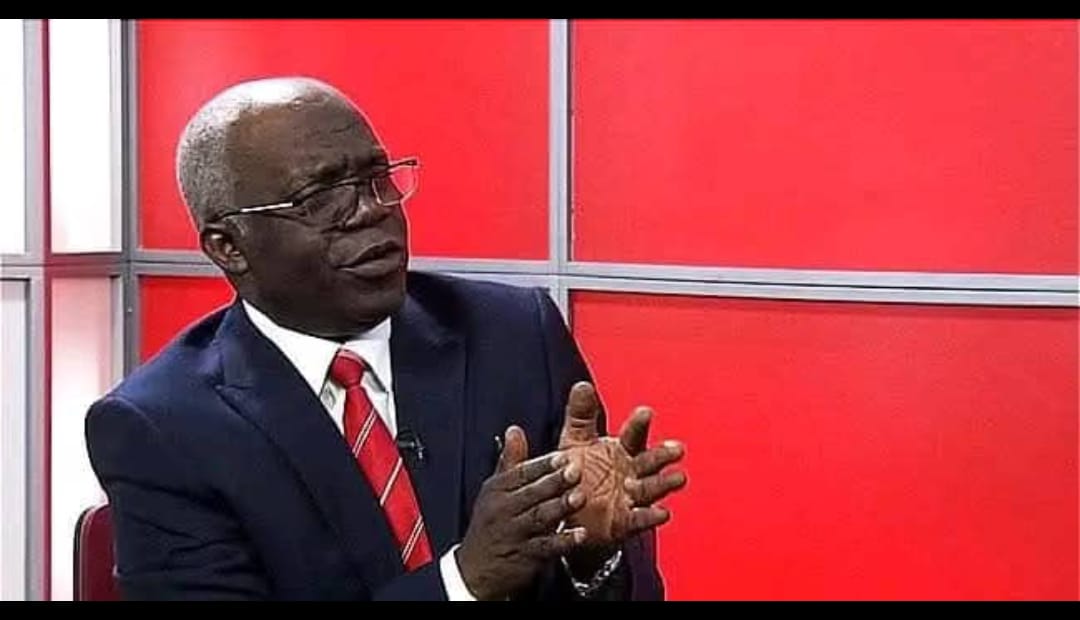
Renowned human rights lawyer and Senior Advocate of Nigeria (SAN), Femi Falana, has strongly criticized ongoing legislative efforts to weaken mandatory electronic transmission of election results, describing the move as a deliberate assault on Nigeria’s democracy.
“This is not lawmaking, it is deliberate democratic sabotage against the aspiration of the people of our country,” Falana said. “Mandatory electronic transmission of results is not controversial. It is a minimum safeguard against result tampering, ballot rewriting, and post-election fraud.”
Falana’s comments come amid growing public concern over proposed amendments to the Electoral Act that could roll back reforms introduced to improve transparency and credibility in Nigeria’s electoral process. Since the introduction of electronic transmission and upload of results, the system has been widely seen as a critical tool in reducing manipulation at collation centers and restoring public confidence in elections.
According to Falana, weakening or removing this provision would reverse hard-won democratic gains and embolden electoral malpractice. He warned that such a step would deepen voter apathy and further erode trust in public institutions.
“Any attempt to undermine electronic transmission is an attempt to return Nigeria to the dark days of manual manipulation, where results were altered after voting and the will of the people was routinely subverted,” he stated.
Civil society groups and election observers have echoed Falana’s concerns, arguing that technology-driven reforms are essential to safeguarding the integrity of elections in a country with a long history of disputed results. Many see the current push as part of a broader pattern of resistance to transparency and accountability in governance.
Falana urged lawmakers to listen to the voices of Nigerians and uphold reforms that protect the sanctity of the ballot.
“The role of the legislature is to strengthen democracy, not to weaken it,” he said. “The people deserve an electoral system that reflects their votes, not one that facilitates their betrayal.”
As debates over electoral reforms continue, Falana’s intervention adds significant legal and moral weight to calls for preserving mandatory electronic transmission as a cornerstone of credible elections in Nigeria.