
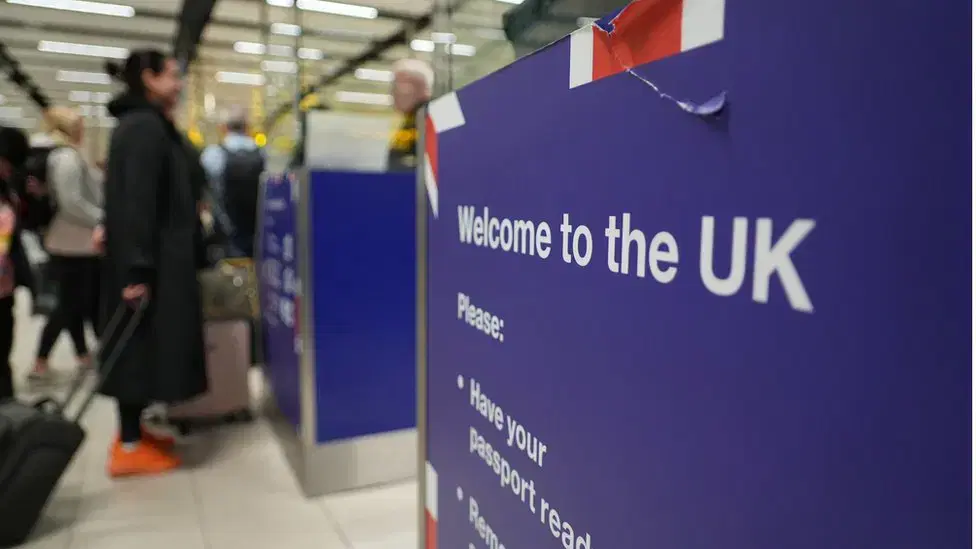
Reform UK has revealed plans to bar visa applications from countries—including Nigeria—that seek reparations from the United Kingdom if it wins the next general election.
The party’s home affairs spokesman, Zia Yusuf, said countries calling for compensation over slavery are overlooking what he described as Britain’s “significant sacrifices” in ending the trade.
“A growing number of countries are demanding reparations from Britain. They ignore the fact that Britain made huge sacrifices to be the first major power to outlaw slavery and enforce this prohibition,” Yusuf stated.
He added: “Astonishingly, of the countries demanding reparations, Tory and Labour governments issued 3.8million visas to their nationals and sent them a staggering £6.6billion in foreign aid over the past two decades. Enough is enough.”
Countries mentioned by the party include Nigeria, Jamaica, Kenya, Haiti, Guyana, Barbados and The Bahamas.
Reform UK said it would immediately halt visa issuance to nationals of any country that formally pursues reparations claims against Britain.
The proposal comes amid growing international calls for compensation over the transatlantic slave trade. The United Nations recently backed discussions around reparations, with a resolution describing the forced displacement of Africans as the “gravest crime against humanity.”
The African Union has also been leading calls for “good faith dialogue on reparatory justice,” including formal apologies, restitution and financial compensation from former colonial powers such as the UK.
Reform UK leader Nigel Farage dismissed the push, criticising the UN and rejecting the idea of payments for historical injustices.
Meanwhile, the British government has maintained its longstanding position. A Foreign Office spokesperson reiterated that while the UK recognises the “abhorrence” of slavery, it will not pay reparations. Prime Minister Keir Starmer has also ruled out both an apology and compensation, stressing a focus on future relations rather than revisiting the past.
Reform UK also vowed to slash foreign aid spending to £1 billion—a proposed 90 percent reduction—as part of its wider policy agenda ahead of the elections.