
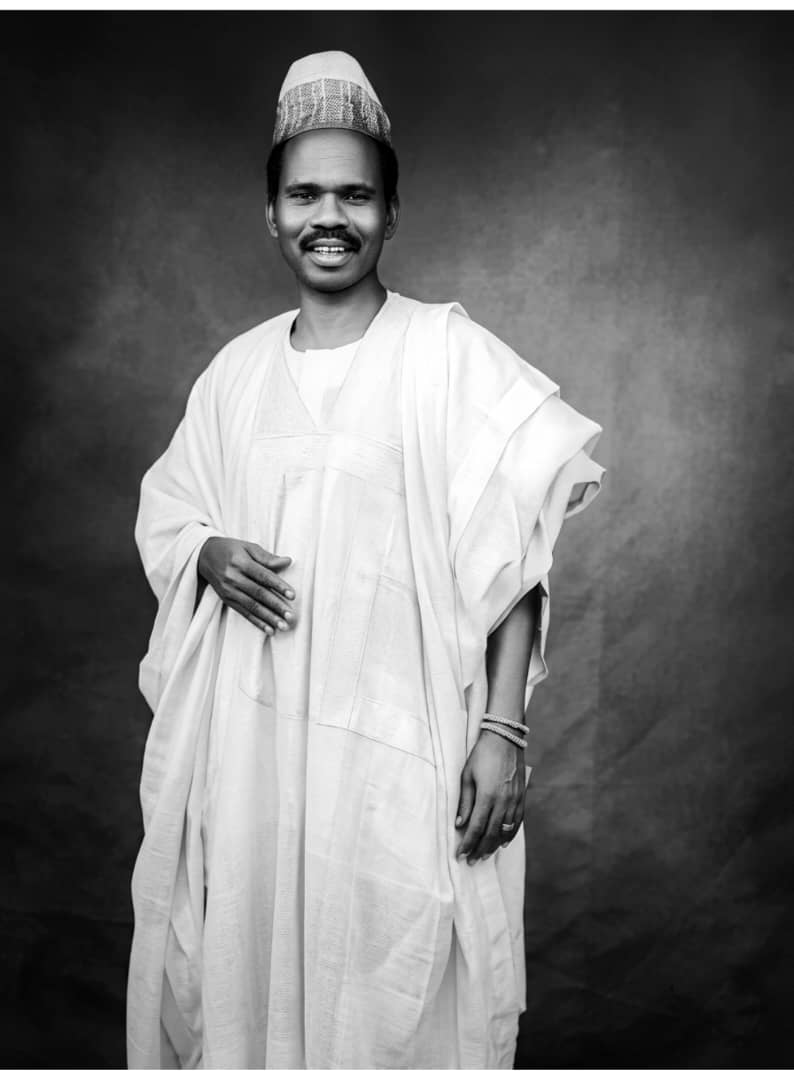
In the rich and complex history of Ewu Kingdom in Esan Central, Edo State, one name stands out—not for controversy or conquest, but for character, sacrifice, and enduring legacy: Chief Joseph Osemunu Omosun, MBE.
At a defining moment in his life, when destiny and tradition aligned to place the royal crown within his reach, Chief Osemunu Omosun made a decision that continues to echo across generations. Rather than pursue kingship for personal prestige, he chose a higher calling—the education of his children and the sustained progress of the Ewu community.
A Deliberate Choice Beyond Power
By lineage and circumstance, Chief Joseph Osemunu Omosun had the right to ascend the throne of Ewu Kingdom. Yet, at a time when accepting the crown would have secured his place in royal history, he made an uncommon and deeply principled decision.
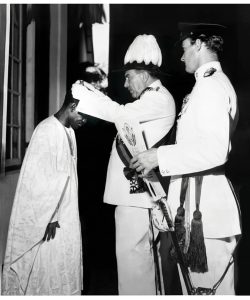
He chose instead to remain in Lagos, serving in the then colonial public service under the British Colonial Administration, contributing to broader societal development and national unity. His diligence, integrity, and exceptional commitment to duty did not go unnoticed; he was honoured as a Member of the Order of the British Empire (MBE) a recognition bestowed by the British authorities for outstanding service and dedication.
His decision was not an act of weakness or indecision, it was a strategic sacrifice rooted in foresight and responsibility. At the heart of his choice was a simple yet powerful priority:
the education and empowerment of his children above personal ambition.
Education Over Entitlement
Chief Osemunu Omosun understood what many in his era did not fully grasp, that education would become the most enduring legacy one could bequeath to their children.
At a time when royal status could easily overshadow long-term vision, he chose instead to invest in knowledge, discipline, and opportunity, not only for his immediate family but for generations to come.
Working within the colonial system, he recognized that education was the key to positioning his children for relevance in an evolving Nigeria, which would later gain independence on October 1, 1960.
History has since validated this decision.
Over the past six decades, the Osemunu Omosun family, and the wider Omosun lineage, have grown across three generations into a family distinguished by influence, intellect, strong moral values, and meaningful societal contributions. This stands as clear evidence that his sacrifice was not in vain.
His life affirms a timeless truth: True leadership is not always about occupying a throne, but about building a legacy that outlives titles.
A Man of Principle, Honesty, and Honour
Beyond his public service and personal sacrifices, Chief Joseph Osemunu Omosun, MBE was widely regarded as a man of unwavering principle, integrity, and honesty.
These were not mere attributes, they were the foundation of his life and decisions. He demonstrated that character is the highest form of leadership and that honour is best preserved through consistency in values.
Today, his legacy places a responsibility on his descendants to emulate and uphold these virtues, ensuring that the name Osemunu Omosun, and by extension the wider Omosun family of Ewu, continues to stand for truth, discipline, and moral strength.
A Life Guided by Peace and Principle
In another remarkable demonstration of character, Chief Osemunu Omosun chose not to pursue prolonged conflict or legal confrontation over kingship matters. Instead, he embraced peace, unity, and communal harmony.
He accepted the decision of the Oba of Benin on the Ewu Onojieship matter and went further to accept the respected chieftain title of Ezomo of Ewu, even when it came from a one-time rival.
This act underscored a profound truth: Honour is not diminished by restraint, it is elevated by it.
His decision reinforced his identity as a man who valued community cohesion above personal vindication.
The Osemunu Legacy: A Moral Compass for Ewu
Today, the descendants of Chief Joseph Osemunu Omosun, MBE carry forward more than a family name, they carry a philosophy:
Reconciliation over rivalry
Wisdom over emotion
Legacy over recognition
Rather than seeking validation through disputes or historical claims, the Omosun lineage increasingly reflects the role of bridge-builders and peacemakers within the Ewu community.
Their heritage is not rooted in contention, but in maturity, restraint, and moral authority.
A Call to Reflection and Renewal
The story of Chief Joseph Osemunu Omosun, MBE is not merely historical, it is a blueprint for leadership in times of tension.
His life challenges both individuals and communities to ask:
What truly defines legacy?
Is it power, or the impact of our choices on future generations?
As Ewu continues its journey forward, his example offers a clear path, one of healing, unity, and principled leadership.
Conclusion
Chief Joseph Osemunu Omosun, MBE chose not to contend for the crown yet, in many ways, he rose far above it.
By choosing education over entitlement, service over self, and peace over power, he secured something greater than kingship:
a legacy of honour that time cannot erase.
Affirmation
In an age where titles often define men, Chief Osemunu Omosun remains a rare example of a man who defined his title by his values, and whose life continues to inspire generations to choose character over convenience and legacy over fleeting glory.
“For God was in Christ, reconciling the world to Himself, and He has given us this ministry of reconciliation.” 2 Corinthians 5:18 (NLT)
Let us all, therefore, be ambassadors and agents of positive change, for God and for humanity.
Content developed and analysed by:
Okhuelegbe Kingsley Omose
Legal practitioner, a researcher focused on values extraction, and a public affairs analyst