
Opposition to the Federal Government’s newly enacted tax reform laws intensified on Monday as the Minority Caucus of the House of Representatives and the National Association of Nigerian Students (NANS) called for an immediate suspension of their implementation, while a Federal Capital Territory High Court ordered accelerated hearing in a suit challenging the authenticity and proposed commencement of the legislation.
The Minority Caucus raised concerns over allegations that the versions of the tax laws gazetted by the Federal Government differed materially from those passed by the National Assembly and assented to by President Bola Tinubu. The lawmakers warned that enforcing laws allegedly altered after passage would amount to a breach of the 1999 Constitution (as amended).
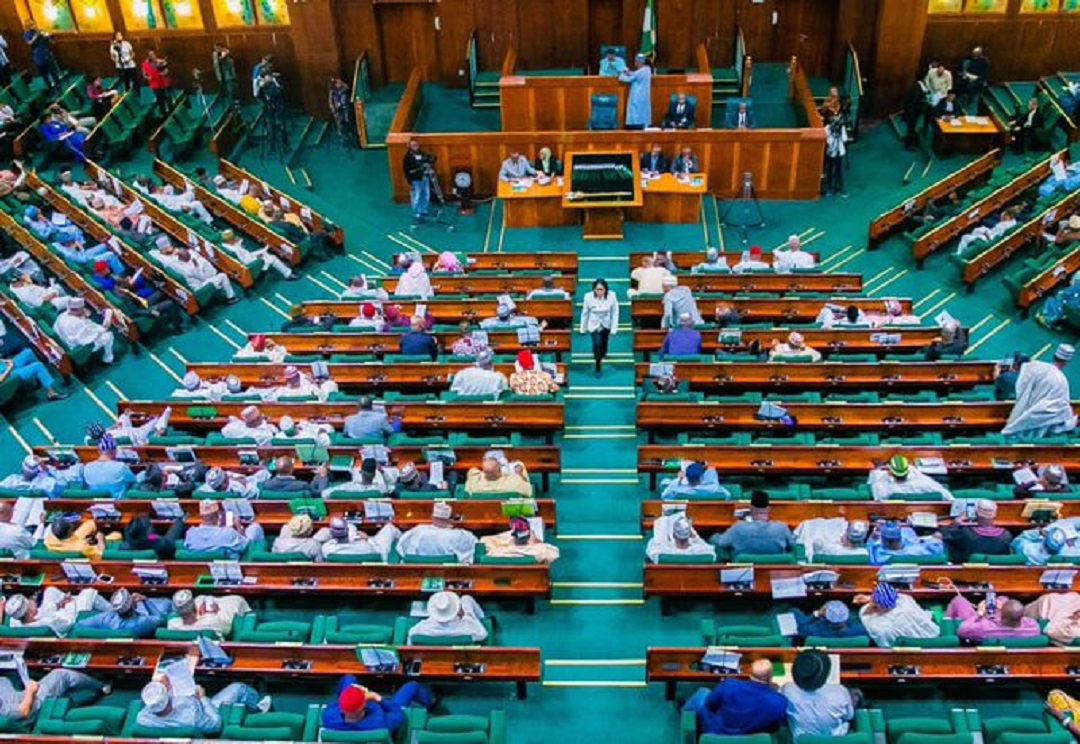
The controversy was sparked two weeks ago when a Peoples Democratic Party lawmaker, Abdussamad Dasuki, informed the House during plenary that the tax Acts circulated for implementation were not identical to those approved by lawmakers. He alleged that changes were made without legislative authorization, prompting the House to constitute a seven-member ad hoc committee chaired by Muktar Betara to investigate the matter.
In a joint statement issued on Monday, Minority Leader Kingsley Chinda and other principal officers of the caucus said suspending implementation of the tax laws was necessary to allow the committee to conclude its work. They stressed that the National Assembly remains the lawful custodian of all Acts passed into law and cautioned Nigerians against relying on any version of the tax laws not duly authenticated by the Clerk of the National Assembly and the President.
The caucus described any attempt to enforce altered legislation as an attack on the independence and constitutional role of the legislature, urging the Federal Government to halt implementation until the investigation is completed and legal clarity is restored.
The pushback was reinforced by the National Association of Nigerian Students, which threatened nationwide protests if the Federal Government proceeds with implementation from January 1, 2026. In a statement signed by its National President, Olushola Oladoja, NANS said a law whose authenticity is under legislative investigation should not be enforced, citing inadequate public sensitisation and the risk of eroding public trust.
The students’ body criticised the Federal Inland Revenue Service for what it described as a failure to carry out broad-based public enlightenment, arguing that reliance on limited digital outreach excluded large segments of the population from understanding the scope and implications of the reforms.
Despite mounting pressure, the Federal Government reaffirmed its commitment to the January 1 commencement date. Following a meeting with President Tinubu, the Chairman of the Presidential Committee on Fiscal Policy and Tax Reforms, Taiwo Oyedele, stated that implementation of the Nigeria Tax Act and the Nigeria Tax Administration Act remained on schedule.
Meanwhile, the legal challenge to the reforms formally entered the courts. On Monday, the High Court of the Federal Capital Territory, Abuja, granted accelerated hearing in a suit seeking to halt the implementation of the 2025 Tax Acts. While the court declined to issue interim orders restraining enforcement, it directed that all defendants be placed on notice and adjourned the matter for hearing.
As legislative scrutiny, civil resistance and judicial proceedings unfold simultaneously, uncertainty continues to surround the future of Nigeria’s most ambitious tax reforms in decades, with political and legal outcomes now poised to determine their fate.