

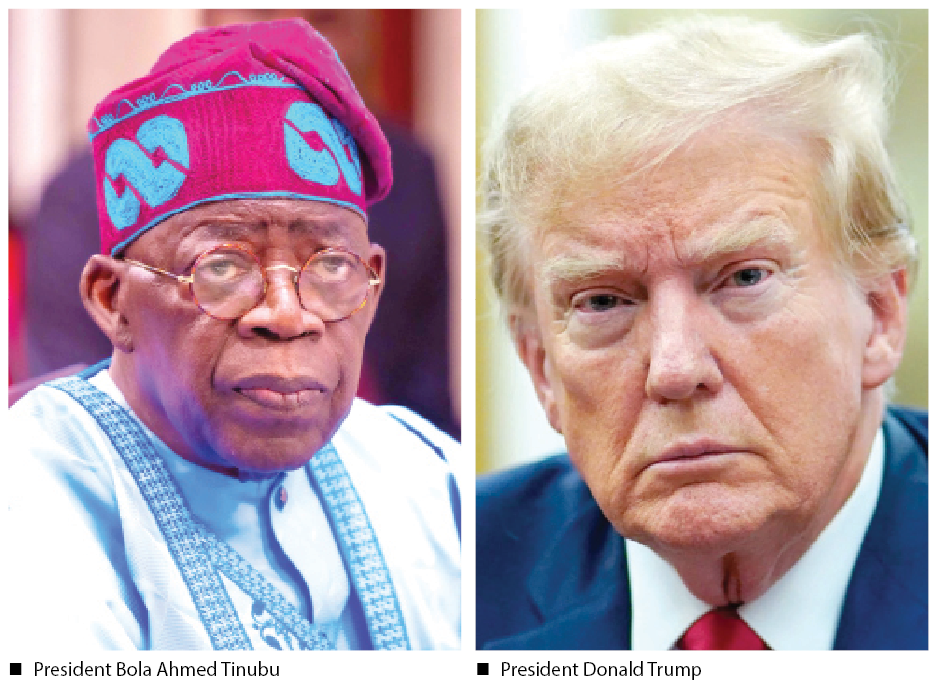
Nigeria’s exports to the United States fell by approximately N940.98 billion in the first nine months of 2025, while imports from the U.S. more than doubled, resulting in a significant trade imbalance. Findings from the National Bureau of Statistics (NBS) indicate that Nigeria exported goods worth N3.65 trillion to the U.S. in this period, down from N4.59 trillion in 2024, representing a 20.5% decline.
During the same period, imports from the U.S. surged to N6.80 trillion from N3.01 trillion, an increase of 125.5%, leading to a trade deficit of about N3.15 trillion compared to a surplus of N1.57 trillion in the previous year. This downturn coincided with Washington’s implementation of a “reciprocal” tariff regime under which former President Donald Trump raised Nigeria’s tariff rate from 14% to 15%.
The new tariff regime, effective August 7, 2025, primarily impacted non-oil Nigerian exports, creating uncertainty for American importers. Despite exemptions for crude oil, the higher duty on a wide range of non-oil exports has dampened demand.
In the previous year, Nigeria’s exports to the U.S. grew steadily, but the trend reversed in 2025. Data show a decline in exports from N1.54 trillion in Q1 to N743.63 billion in Q3, while imports increased dramatically, highlighting a widening trade deficit.
President Bola Tinubu’s administration has pledged resilience in the face of U.S. tariffs. The President emphasized Nigeria’s economic trajectory and growing non-oil revenues as buffers against external shocks. Minister of Industry, Trade and Investment, Jumoke Oduwole, echoed this sentiment, indicating that Nigeria would focus on diversification and strengthening ties within the African Continental Free Trade Area.
Experts and stakeholders in Nigeria’s export sector have called for a review of U.S. tariffs on Nigerian products, framing the situation as an opportunity for growth rather than merely a challenge. Some, like development economist Dr. Aliyu Ilias, suggest it’s time for Nigeria to adapt, viewing the tariffs as a chance to forge new international partnerships.
Furthermore, the impact of U.S. visa restrictions on Nigerian nationals is another critical concern, potentially limiting business interactions and investment inflows. Such restrictions pose a more significant long-term challenge to Nigeria’s trade relationships than tariffs alone, underscoring the need for comprehensive solutions.