

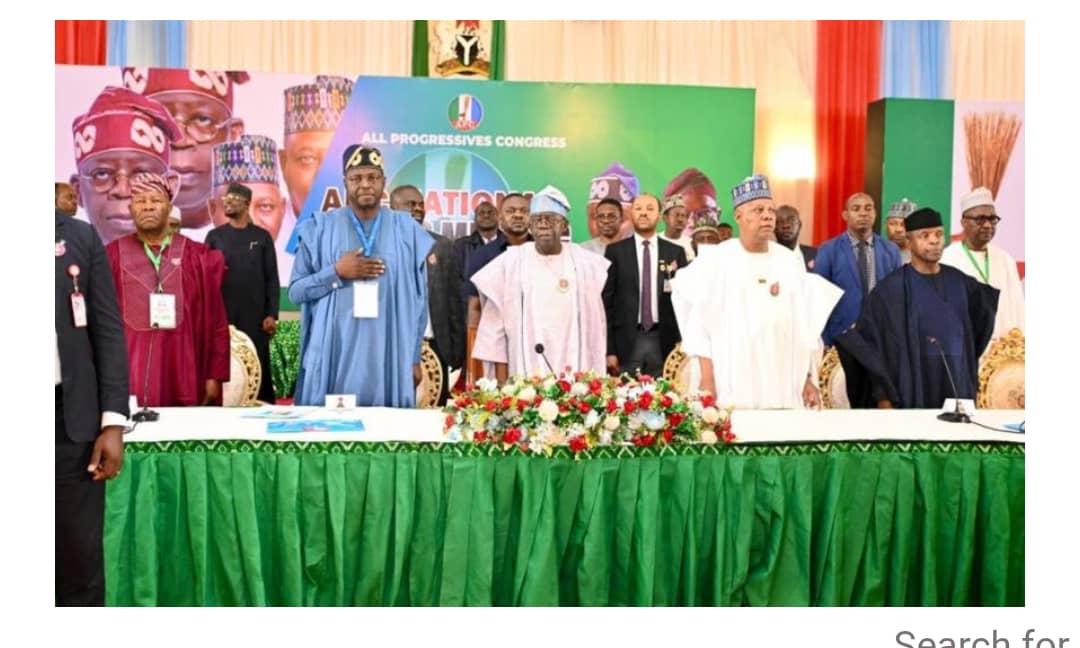
President Bola Ahmed Tinubu has renewed his push for the creation of state police and the full implementation of local government (LG) autonomy, insisting that both reforms must be pursued decisively to tackle insecurity and strengthen governance at the grassroots. The renewed advocacy has once again brought to the fore a long-standing national debate: can these reforms truly address the yearnings and needs of the Nigerian people?
For years, Nigeria’s overcentralised policing structure has struggled to effectively respond to diverse and localised security challenges. From banditry and kidnapping to communal clashes and urban crime, a one-size-fits-all federal police system has often proved inadequate. State police, proponents argue, would allow states to design security responses tailored to their peculiar realities, improve intelligence gathering through community familiarity, and ensure faster response times. By bringing policing closer to the people, trust between citizens and law enforcement could be rebuilt, enhancing accountability and effectiveness.
However, concerns remain. Critics warn that without strong legal safeguards, state police could be abused by governors for political intimidation or suppression of dissent. These fears underscore the need for clear constitutional frameworks, independent oversight mechanisms, and strict professionalism standards to prevent misuse while protecting citizens’ rights.
Equally critical is the issue of full local government autonomy. Local councils are constitutionally positioned as the closest tier of government to the people, yet in practice, many have been weakened by state control over their finances and administration. Restoring true autonomy would empower local governments to plan and execute development projects, respond promptly to community needs, and deliver essential services such as primary healthcare, basic education, rural roads, and sanitation.
When local governments are financially and administratively independent, grassroots democracy is strengthened. Citizens can more easily hold their leaders accountable, participation in governance improves, and development becomes more inclusive and people-centred. Nonetheless, autonomy must go hand in hand with transparency, fiscal discipline, and capacity building to prevent corruption and inefficiency at the local level.
Taken together, state police and LG autonomy represent bold structural reforms aimed at decentralising power, deepening federalism, and making governance more responsive. If carefully implemented with robust checks and balances, these reforms have the potential to significantly improve security, service delivery, and public trust in government.
Ultimately, the success of state police and local government autonomy will not lie in their adoption alone, but in the political will to implement them responsibly, the strength of institutions to regulate them, and the commitment to place the welfare of the people above narrow political interests. Only then can these reforms truly meet the yearnings and needs of Nigerians.