
Egbetokun’s Exit: Family Reasons or Policy Rift? Inside the Untold Story of the IGP’s Resignation
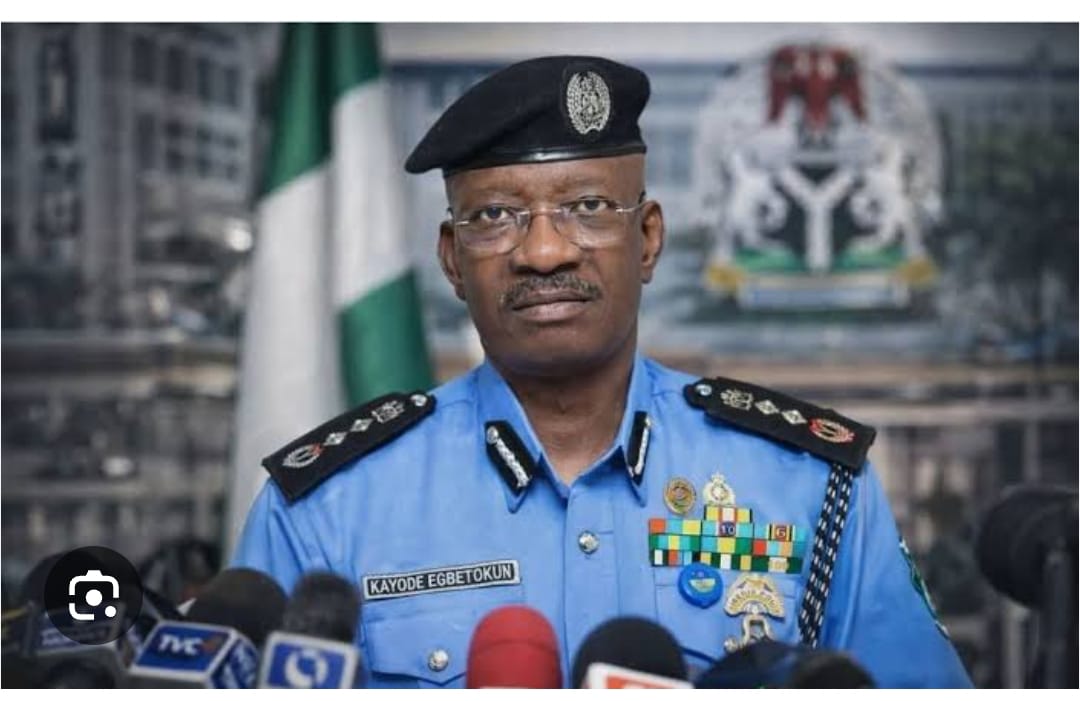
In a carefully worded statement from the Presidency, the Federal Government announced that Kayode Egbetokun resigned as Inspector-General of Police over “pressing family considerations,” with President Bola Tinubu formally accepting his letter and thanking him for his service to the nation.
That is the official version. However, independent investigations by Governance Today Nigeria, corroborated by accounts from senior Villa insiders, suggest a more complex reality.
Multiple Presidency sources disclosed that Egbetokun was summoned to the State House and asked to step aside — an indication that the resignation may not have been entirely voluntary.
Policy Fault Lines Beneath the Surface
Investigative findings reveal five critical pressure points:
- State Police Reform Disagreement
The Tinubu administration has quietly advanced state policing as a central pillar of security reform. Sources indicate Egbetokun was reluctant about decentralising police authority — a stance perceived as misalignment with presidential priorities amid worsening banditry and kidnappings.
- VIP Security Withdrawal Directive
A late-2025 presidential directive ordered the withdrawal of police officers from VIP protection roles, with expanded responsibilities assigned to the Nigeria Security and Civil Defence Corps. Insiders say implementation under Egbetokun was sluggish, fuelling frustration within the Presidency.
- Press Freedom Backlash
Under his watch, cases of journalist harassment attracted scrutiny, including concerns raised by the International Press Institute (IPI) Nigeria.
- Activist Pressure
One of the most prominent pressure points came from Sowore, a Nigerian activist who campaigned against what he described as Egbetokun’s incompetence, unconstitutional appointment, and alleged compromises on security issues during his tenure.
- Media Relations Concerns
It was also alleged that the media handlers of the former IGP were not cooperative with pressmen covering the Police Force. It was opined that vital information was not provided, and that there were unethical restrictions on access to the IGP for clarifications on sensitive matters. These reportedly hindered the smooth flow of information. This serves as a key lesson for those who will handle the media arm of the new AIGP’s operations.
Critics argued that these developments dented Nigeria’s democratic image at a sensitive political time.
Security Climate and Performance Questions
Egbetokun’s tenure coincided with alarming spikes in insecurity — mass abductions in Niger State, targeted highway killings, and persistent rural attacks. Opposition voices repeatedly questioned police effectiveness, amplifying pressure on the Force leadership.
A Familiar Pattern?
Observers note parallels with the 2024 exit of Ajuri Ngelale, whose departure was publicly attributed to family medical concerns but later trailed by reports of internal dissatisfaction.
Governance and Transparency
Official communications maintain stability narratives. Off-record disclosures, however, point to policy friction and strategic recalibration.
In governance, what is said publicly often preserves calm. What happens privately shapes power.
Governance Today Nigeria’s findings suggest Egbetokun’s departure reflects more than personal reasons — it signals deeper tensions over Nigeria’s evolving security architecture.