
The Chairmanship candidate of the All Progressives Congress (APC) for the Abuja Municipal Area Council (AMAC), Christopher Zakka Maikalangu, has been officially declared winner of the Saturday, February 21 council election.
Announcing the results, the Independent National Electoral Commission (INEC) Collation Officer for AMAC, Andrew Abue, confirmed that Maikalangu polled 40,295 votes, defeating his closest challenger, Dr. Paul Moses of the African Democratic Congress (ADC), who secured 12,109 votes. Out of 62,861 valid votes cast, the incumbent chairman clinched a decisive victory, reaffirming the electorate’s confidence in his leadership.
Track Record: Highlights from Maikalangu’s First Term, During his first tenure as AMAC Chairman, Maikalangu recorded several notable achievements that strengthened grassroots governance in the nation’s capital:
Infrastructure Expansion: Construction and rehabilitation of rural and urban roads across wards, improving access and reducing travel time within satellite communities.
Primary Healthcare Revitalization: Upgrading of primary healthcare centres, recruitment of medical personnel, and improved maternal and child health services.
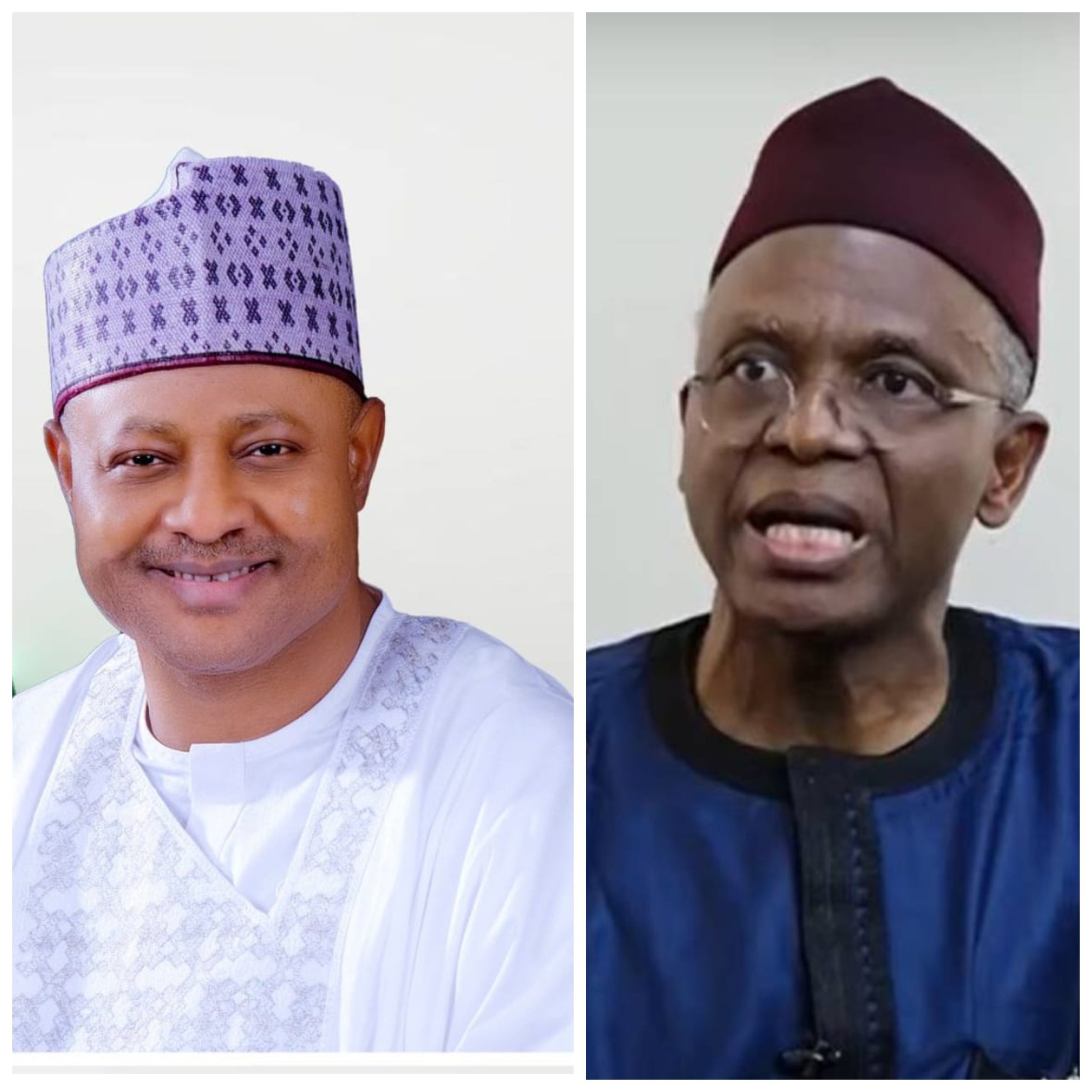
Power Is Transient: The El-Rufai–Uba Sani Contrast and a Leadership Reckoning Political history often reminds leaders of one enduring truth: power is transient, but legacy is permanent. In Kaduna State, the unfolding contrast between former governor Nasir El-Rufai and his successor Uba Sani offers a compelling lesson for today’s officeholders.
From Command to Consequence
El-Rufai governed Kaduna with unmistakable boldness. To admirers, he was decisive and reform-driven. To critics, his tenure reflected disruption without adequate consensus-building.
Years later, controversies that once seemed politically insulated have resurfaced in the form of corruption allegations, human rights concerns, and national security questions.
Debates over teacher competency tests, strained relations with civil servants, contentious demolitions, and ethno-religious tensions left deep impressions on the state’s political memory.
Reform, many agree, is necessary. Yet reform without inclusion can breed resentment. Today, as investigations and legal scrutiny intensify, the reputational weight of past decisions has become heavier. Regardless of eventual court outcomes, public perception has already shifted. Leadership is judged not only by policy intentions but by method, tone, and long-term impact.
The Politics of Polarisation , Kaduna’s delicate social fabric requires careful stewardship. Critics argue that confrontational rhetoric during El-Rufai’s administration widened divisions. Human rights advocates, including voices like former National Human Rights Commission chair Chidi Odinkalu, have called for accountability over alleged abuses.
Fiscal questions have also emerged, with reports linking inquiries to findings involving the Economic and Financial Crimes Commission. Even before legal conclusions are reached, such scrutiny reshapes public discourse.
The lesson here is clear: authority exercised without sustained consensus can outlive its immediate victories.
A Shift in Tone: The Uba Sani Approach
In contrast, Governor Uba Sani has cultivated a narrative of reconciliation and rebuilding. His administration has emphasised dialogue across religious and ethnic lines, rural development, youth empowerment, and investor confidence.
Where the previous era was often defined by assertiveness, the current approach projects consultation. Whether this recalibration endures will depend on results, but politically, the tonal shift is evident.
Supporters describe this phase as one of stabilisation — a conscious attempt to restore trust in governance. Infrastructure renewal, social investments, and outreach to previously marginalised communities have reinforced that image.
Leadership Lessons Beyond Kaduna, This moment in Kaduna’s political journey offers wider lessons for Nigerian leaders: Power is temporary; institutions endure. Bold reforms require emotional intelligence and public buy-in. Political capital must be preserved for difficult seasons. Public office demands accountability that may surface years later.
History rarely delivers instant verdicts. It waits. It observes. And eventually, it reassesses. Whether El-Rufai ultimately clears his name or faces lasting political consequences remains for the courts and time to determine.
Yet the broader narrative is unmistakable: legacies are shaped not only by what leaders achieve in office, but by how those years withstand later scrutiny.
As Kaduna State continues under new leadership, many citizens appear more invested in stability, security, and economic opportunity than in political recrimination. The evolving story between confrontation and consensus may ultimately stand as a case study in why governance anchored in inclusion often proves more enduring than governance defined solely by force of will.
For leaders everywhere, the message resonates clearly: authority may be fleeting, but the echoes of its use are not.